Key Takeaways
- 🤖 Japan's robots are stepping up to fill jobs that humans aren't lining up for.
- 📉 Labor shortages are driving the adoption of physical AI in real-world scenarios.
- 🚀 Robots are moving from pilot projects to actual deployment in various industries.
Why It Matters
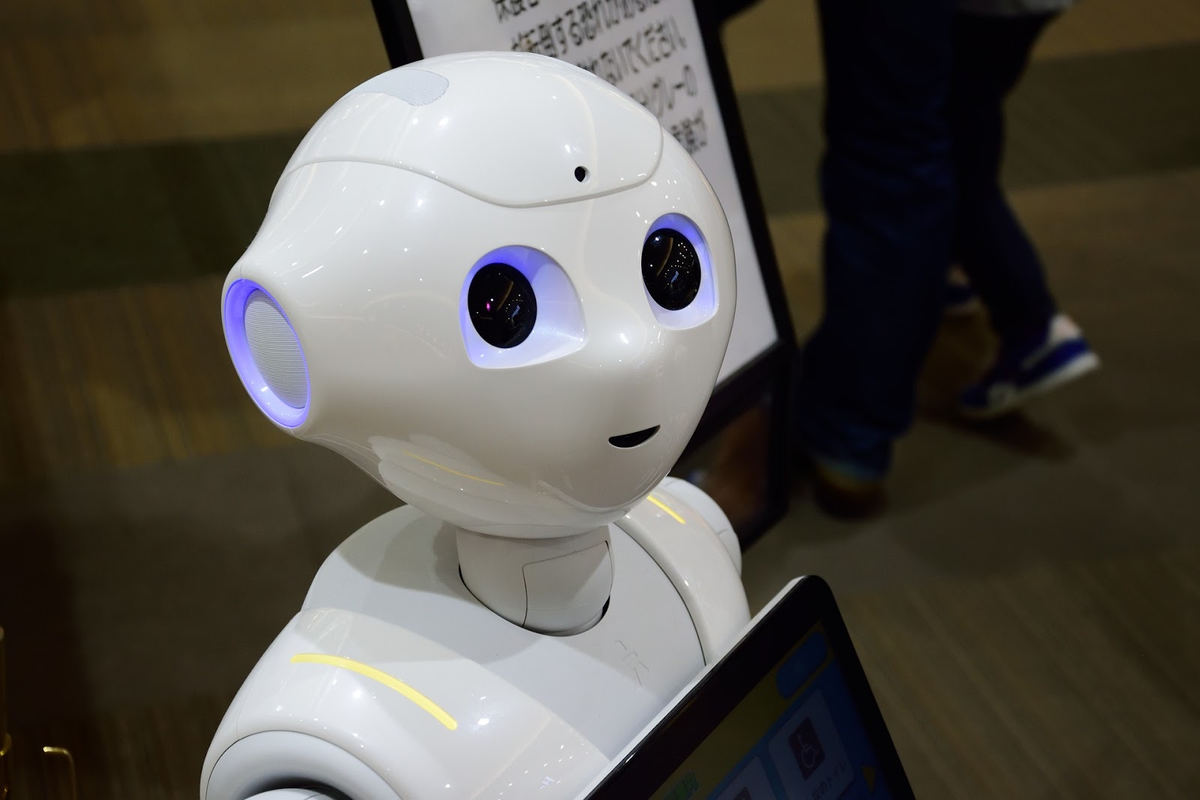
Japan's robots are not plotting world domination or planning to pilfer your paycheck. Instead, they're rolling up their metal sleeves to take on jobs that even the most adventurous humans find unappealing. With labor shortages pressing harder than a sumo wrestler at a buffet, Japan is leading the charge in deploying physical AI from just theoretical ideas to practical, everyday use. It's as if Japan looked at its labor market and said, "If humans won't do it, maybe robots can."
What This Means for You
If you're worried about robots taking over your job, rest easy (for now, at least). In Japan, the focus is on filling roles that tend to go unfilled by humans due to their demanding, monotonous, or downright undesirable nature. This trend could set a precedent for how other countries might approach similar labor shortages. So, unless your job is on the "no-thanks" list, you might have more time before a robot becomes your office mate.
The Source Code (Summary)
According to TechCrunch, Japan is pushing the envelope with physical AI, driven by a serious lack of available human workers. This means robots aren't just science fair projects anymore; they're gearing up for real-world applications. These aren't just any bots — these are purpose-built to tackle jobs that don't quite scream "dream career" to most people. By embracing robots in this way, Japan is not just filling gaps but also potentially reshaping the global perspective on AI in the workforce.
Fresh Take
Japan's approach is a classic case of necessity being the mother of invention — or in this case, the mother of robotic intervention. With a shrinking workforce and an aging population, Japan is strategically deploying robots where humans fear to tread (or just don't want to). This isn't just about efficiency; it's a cultural shift that could redefine how society values different types of work. So, while robots in Japan might not be taking your dream job, they are certainly setting the stage for a future where robots and humans work side by side, each doing what they do best. And who knows? Maybe one day, they'll even have their own union.
Read the full AI News & Artificial Intelligence | TechCrunch article → Click here