The Avocado Pit (TL;DR)
- 🚀 SpaceX acquires xAI to launch data centers into orbit. Because, why not?
- 🌌 Musk aims to use space as the ultimate server farm. The cloud just got a new address.
- 🛰️ Data in space could mean faster computing and maybe less buffering on your cat videos.
Why It Matters
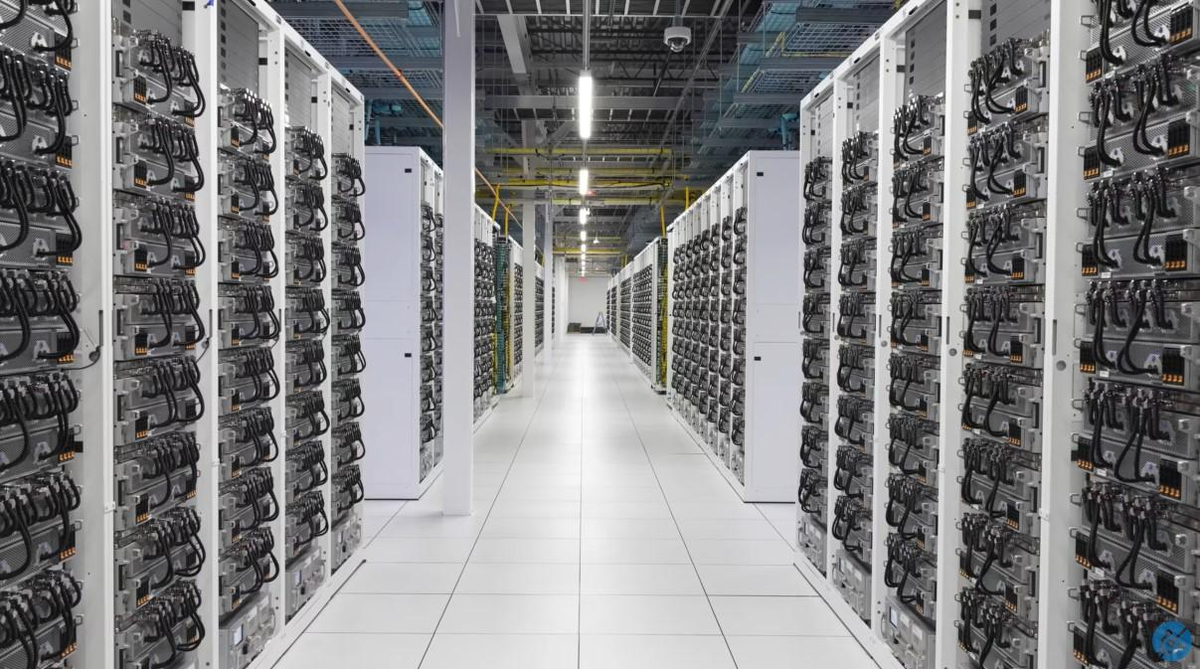
If you're thinking, "Data centers in space? Really, Elon?" brace yourself, because it's happening. In a move that seems plucked straight from a sci-fi novel, SpaceX has acquired xAI to launch data centers into orbit. Yes, you read that right—space is no longer just for astronauts and satellites; it's now the new frontier for cloud computing. Not only does this venture promise to revolutionize data processing speeds, but it could also redefine how we think about data security, latency, and yes, even those pesky storage fees.
What This Means for You
So, how does this cosmic plan affect you, the earthbound tech enthusiast? For starters, it could mean faster access to data and reduced latency—think less buffering when you're streaming that latest blockbuster or, more importantly, that cat video compilation. It might also pave the way for more secure data as it orbits far from earthly cyber threats. Plus, it's a pretty cool thing to mention at parties: "Oh, my data? It's in space."
The Source Code (Summary)
SpaceX, under Elon Musk's direction, has acquired xAI with the bold aim of launching data centers into space. The goal is to take advantage of the unique conditions of space—like its vastness and absence of weather disruptions—to house data more securely and efficiently. This ambitious project could lead to faster, more reliable data processing and storage solutions, possibly changing the landscape of cloud computing forever.
Fresh Take
Alright, Elon, you've done it again. Just when we thought tech couldn't get any more out of this world, you go and put our data literally out of this world. While the idea of space-based data centers is undoubtedly innovative, it also raises some questions about logistics, costs, and potential risks. But then again, if anyone can pull off such a feat, it's probably the same guy who put a car in orbit. So here's to the future—one where our data not only reaches for the stars but lives among them.
Read the full Austin American-Statesman article → Click here